Gisele Souza started filming her housework in September after seeing a video on TikTok. By 27 October, the lash and brow stylist in Três Lagoas, Brazil, had earned R$800 (about US$150), Brazilian news outlet UOL reported. UOL did not name her platform or give her rate.
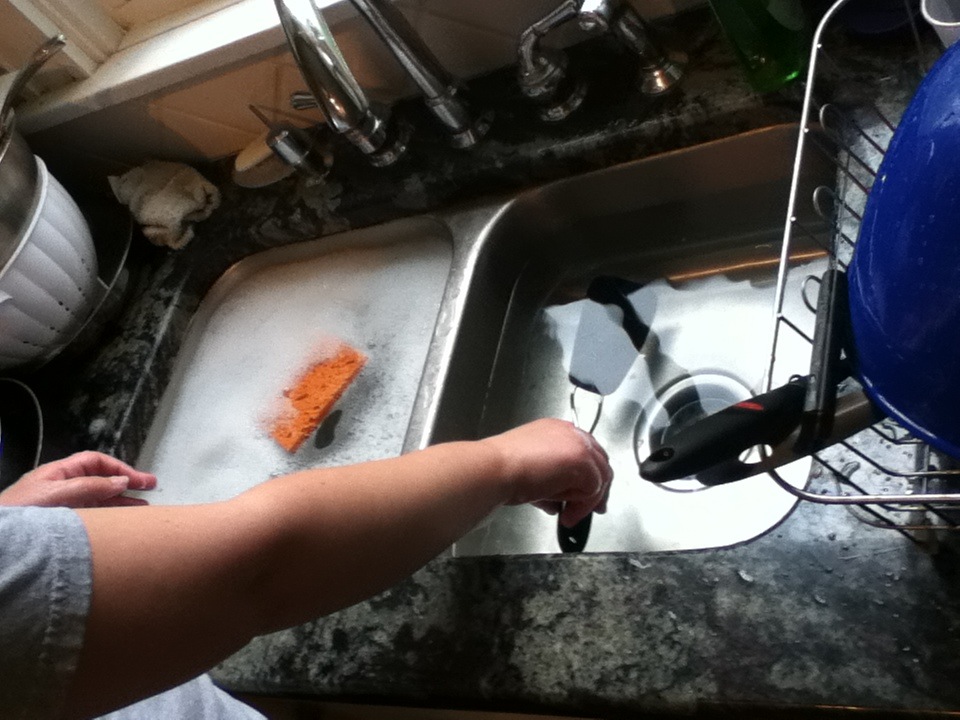
At Flambra, one of the companies UOL listed, contributors strap a phone to their head to film chores such as loading a dishwasher or washing dishes by hand. Flambra says it collects these recordings to build datasets for training AI and robotics systems. Flambra advertises up to R$12.50 (about US$2.24) per approved hour for everyday chores. Contributors get their rate in writing before filming, but they can finish the dishes only to find the video is too dark to earn them anything. If they later want an approved clip back, it matters who has already received it.
In a separate US experiment, a robot had to fold every towel and put it in the basket for a trial to count as a success. To test how much a robot could learn from watching people, robotics company Figure trained two policies on the same task data, one starting from Index, Figure’s collection of human activity. Figure reported that in blind tests the Index-pretrained policy succeeded in 56 per cent of trials, against 9 per cent for the one trained from scratch. The evaluation of the three chores covered 30 unfamiliar homes in the Bay Area.
Flambra’s terms say contributors record through Minute, an app built by US company Baker Data. According to Flambra’s terms, the app sends each file straight to an unnamed US client. The US client approves the footage and pays Flambra for the hours it accepts. Flambra pays contributors directly or through regional partners. The US client can also compile the recordings into datasets and license them to its corporate customers.
Contributors get paid for filming. When they upload a clip, they give Flambra and its US client a licence to use it free of charge. They keep what they have already been paid if they withdraw consent. Under Flambra’s privacy policy, a clip that has not yet been licensed is deleted or blocked within 15 days. If it is in a dataset awaiting delivery, Flambra asks its US client to remove it. If a corporate customer already has a licensed copy, Flambra and its US client must still stop using the clip when the contributor withdraws consent. Neither company can grant a new licence for it. The customer can still use its copy to train AI indefinitely.